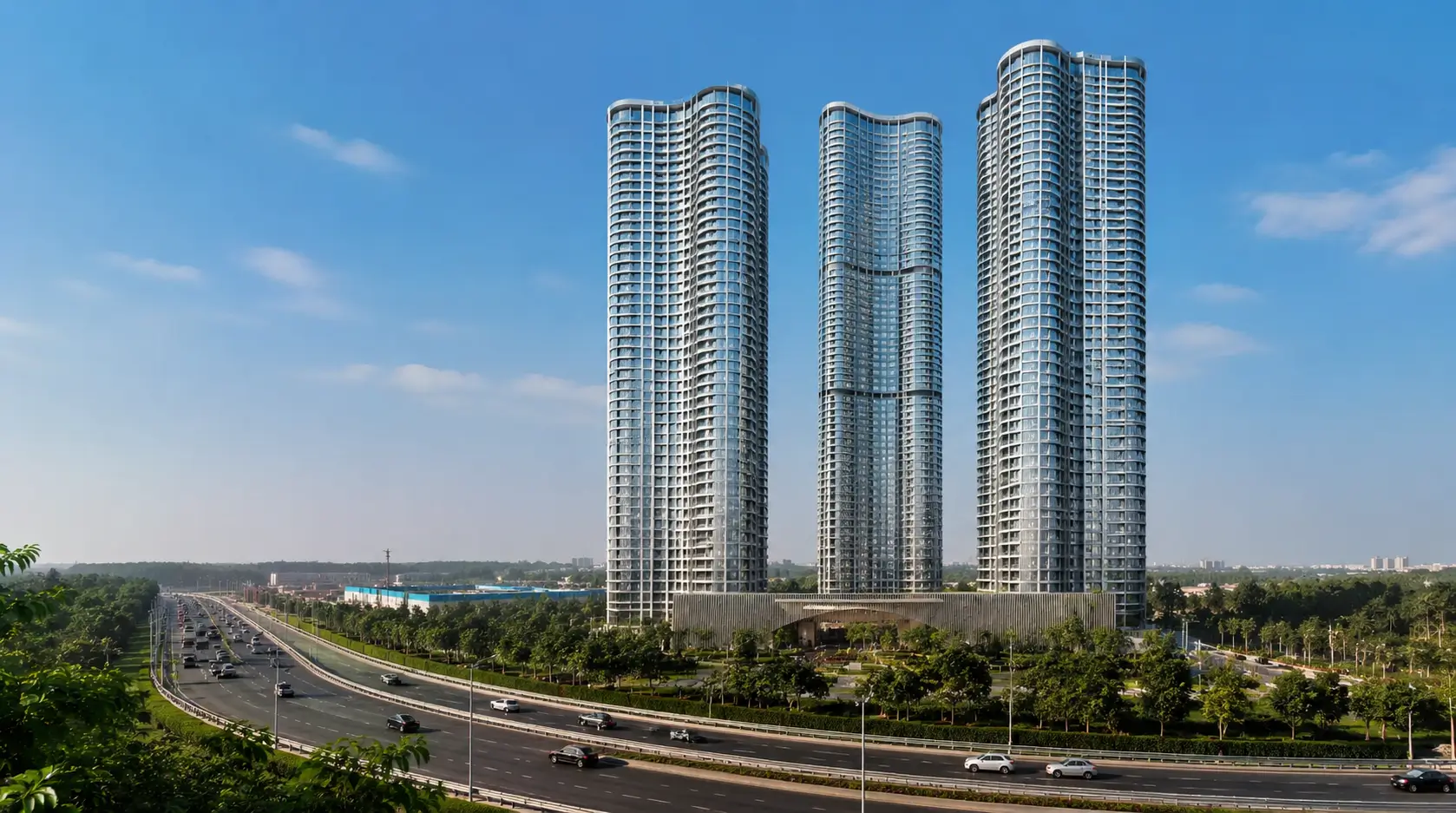
Investigating current high-end residential real estate spaces highlights how discerning home buyers focus heavily on premium execution. Across major infrastructure corridors in developing metropolitan zones, navigating the critical balance between physical connectivity, layout intelligence, and construction transparency remains absolutely non-negotiable. #link# highlights the precise operational parameters required to achieve true luxury residential status. To systematically analyze modern high-density vs low-density layouts, astute investors look past superficial cosmetic finishes to review foundational engineering benchmarks, spatial efficiency metrics, and land titles.
Evaluating High-Velocity Transit Infrastructure and Property Traction
The seamless creation of multi-lane signal-free expressways, triggers immediate real estate demand from high-net-worth individuals and corporate entities. Infrastructure engineering trends conclusively demonstrate that proximity to active tech hubs lowers vacancy rates while boosting rental yield opportunities for long-term real estate owners. When an integrated township is built immediately adjacent to expanding aerospace special economic zones, high-salaried working professionals naturally choose to locate their primary residences within that specific geographic boundary. Additionally, the consistent generation of high-paying tech jobs, aerospace engineering roles, and startup enterprise positions creates a highly lucrative environment for non-resident Indian investors seeking secure domestic property allocations. To truly map these appreciation models, staying updated on real estate pricing matrices remains essential.
Deconstructing Modern High-Rise Structural Integrity Paradigms
The overall architectural integrity of high-end luxury apartments is highly optimized when Tier-1 construction organizations adopt global building practices. The deployment of advanced aluminum formwork casting systems, extensively known across the industry as Mivan technology, minimizes future structural degradation while noticeably enhancing internal thermal insulation performance. Complementing these robust external engineering methodologies, the interior specifications of truly luxury homes integrate smart home automated touchpoints, multi-tiered digital security hardware, and premium noise-insulated glass frameworks. Concurrently, premium residential buyers are rejecting crowded, high-density residential layouts in favor of expansive estates. When a grand 70 to 80-acre development restricts its vertical footprint to only a limited number of residential towers, the developer creates a rare, elite living environment that preserves long-term community exclusivity. These detailed structural parameters clearly separate authentic luxury real estate from standard mass-market developments.
Navigating Statutory Approvals, Land Documentations, and Risk Mitigation Checklists
From a strictly analytical wealth management and portfolio diversification perspective, capturing early-stage pre-launch inventory from a reputed multi-state developer minimizes capital entry risk. Entering a tier-1 development phase before the public distribution of marketing brochures safeguards financial capital against inflationary spikes in core building material and labor commodities. In parallel with capital gains, steady monthly rental income streams from luxury airport corridors provides long-term stability due to multi-year corporate lease agreements and high tenant retention rates. To completely eliminate construction and execution risks, the selection checklist must prioritize statutory verification. Validating the builder's historical track record regarding timely project delivery, structural execution precision, and legal transparency protects the individual home buyer by binding the developer to legally enforceable completion timelines and specifications.
Integrating Smart-Home Architectures with Holistic Community Lifestyles
True luxury real estate in the current era is defined far beyond cosmetic interior finishes or layout dimensions. Incorporating fully automated household environmental controls and digital security networks, allows residents to effortlessly manage spatial lighting, interior climate settings, and visitor tracking protocols. Simultaneously, the physical amenity landscape within premium gated enclaves is undergoing a complete structural revolution. Integrating advanced co-working business lounges, private mini-theaters, and multi-cuisine restaurant facilities, these integrated structures ensure that health and recreational goals can be fulfilled without stepping outside the estate. Most importantly, bringing world-class hospitality-led concierge services and five-star facility management directly to your door adds an immense premium to the property's market positioning, driving permanent tenant demand.
Strategic Conclusion for Astute Long-Term Property Acquisition
To conclude, executing a highly successful real estate acquisition strategy requires looking read more closely at three core factors: undivided land share protections, long-term rental yield capacity, and localized employment trends. By systematically analyzing detailed cost breakdowns, validating historical handover records, and reviewing comparative market evaluations against competing options, will successfully future-proof their capital holdings against urban congestion and economic adjustments. Driven by ongoing airport corridor development and extensive corporate office space absorption, these ultra-premium residential enclaves will stand out as the definitive standard for luxury urban living.